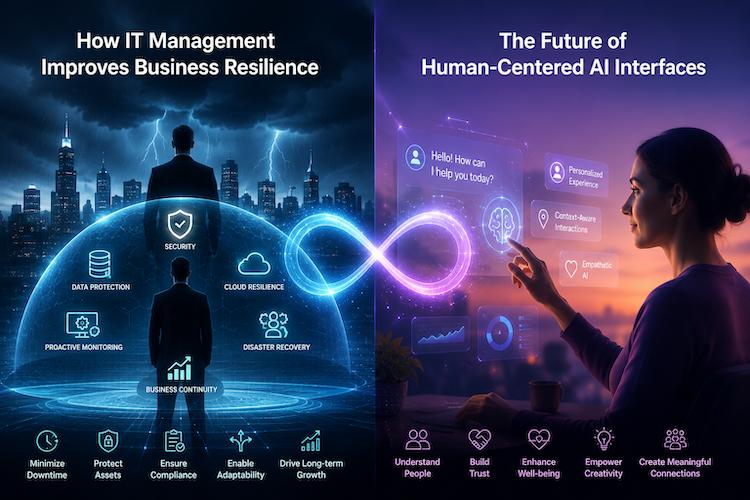
Imagine a strong castle standing firm against the forces of nature and enemy attacks. Just like a castle needs skilled defenders and strategic planning to withstand threats, so does a business require effective IT management to enhance its resilience. IT management plays a crucial role in ensuring that a business can adapt, recover, and continue to operate in the face of unexpected disruptions.
Proper IT management not only helps in preventing cyber-attacks and data breaches but also ensures that systems are in place to quickly bounce back from any such incidents. It involves making informed decisions about the technology infrastructure, resources, and processes needed to keep the business running smoothly even during challenging times.
- Identify common challenges faced by businesses in terms of IT management and resilience
- Define key concepts related to IT management and business resilience
- Conduct a risk assessment to identify potential threats and vulnerabilities
Having a solid IT management strategy brings several benefits to a business. It enables the organization to minimize downtimes, maximize operational efficiency, and maintain customer trust. By investing in the right technology tools and resources, companies can streamline their operations, improve productivity, and stay competitive in the market.
Moreover, proper IT management allows businesses to proactively address potential risks and vulnerabilities before they escalate into major crises. By regularly monitoring and evaluating the performance of IT systems, organizations can identify areas for improvement and take necessary actions to strengthen their overall resilience.
- Develop a comprehensive IT management strategy to mitigate risks and enhance resilience
- Implement effective disaster recovery and business continuity plans
- Invest in the right technology tools and resources to support IT management efforts
In today’s fast-paced digital world, business resilience is not just a nice-to-have but a must-have. By understanding the importance of IT management in enhancing resilience, organizations can safeguard their assets, protect their reputation, and ensure long-term success in an increasingly uncertain environment.
Identify Common Challenges Faced by Businesses in Terms of IT Management and Resilience
Running a successful business requires more than just having the right products and services. In today’s fast-paced digital world, companies need to have a robust IT management system in place to ensure resilience in the face of unexpected challenges. However, many businesses face common hurdles when it comes to managing their IT infrastructure effectively.
- Lack of Resources: One of the most prevalent challenges is the lack of resources, both in terms of budget and personnel. Small and medium-sized enterprises often struggle to allocate enough funds for IT management, resulting in outdated systems and limited cybersecurity measures.
- Complexity of Technology: With the rapid evolution of technology, businesses find it challenging to keep pace with new innovations. Navigating complex IT solutions without proper expertise can lead to inefficiencies and security vulnerabilities.
- Security Threats: Cybersecurity threats are on the rise, posing a significant risk to businesses of all sizes. From data breaches to ransomware attacks, companies need to constantly monitor and protect their systems from malicious actors.
- Compliance Requirements: Meeting regulatory compliance standards such as GDPR or HIPAA can be a daunting task for businesses. Failure to comply with these regulations can result in hefty fines and damage to the company’s reputation.
- Legacy Systems: Some businesses still rely on outdated legacy systems that are no longer supported by vendors. These systems can pose compatibility issues and hinder the overall performance of the organization.
By identifying and addressing these common challenges, businesses can better prepare themselves to enhance their IT management practices and build resilience in the face of adversity. Recognizing the unique hurdles that your company faces is the first step towards developing a proactive strategy that ensures the continuity and success of your business.
Define Key Concepts Related to IT Management and Business Resilience
When it comes to managing IT for business resilience, there are several key concepts that you need to understand in order to effectively navigate the complex world of technology and security.
- IT Management: This refers to the overall process of overseeing all aspects of information technology within a business. It involves planning, organizing, and controlling IT resources to achieve business goals and objectives.
- Business Resilience: Business resilience is about the ability of a company to adapt to changes in the business environment and still maintain its core functions and services. It involves the proactive identification of risks and vulnerabilities, as well as the development of strategies to mitigate those risks and ensure continuity of operations.
- Risk Assessment: This involves evaluating potential threats and vulnerabilities that could impact your IT systems and business operations. By conducting a thorough risk assessment, you can identify areas of weakness and prioritize actions to improve your resilience.
- Disaster Recovery: Disaster recovery is the process of restoring IT systems and services in the event of a disruption or failure. A well-defined disaster recovery plan helps ensure that your business can recover quickly and minimize downtime.
- Business Continuity: Business continuity focuses on maintaining essential business functions during and after a disaster or disruption. It involves planning and implementing strategies to keep critical operations running smoothly in the face of challenges.
- IT Security: IT security is essential for protecting your systems and data from unauthorized access, breaches, and cyber threats. It includes measures such as encryption, firewalls, and monitoring tools to safeguard your IT infrastructure.
- Regulatory Requirements: Businesses must comply with industry regulations and legal requirements related to data protection, privacy, and security. Understanding and adhering to these regulations is crucial for maintaining compliance and avoiding penalties.
Conducting a Risk Assessment: Identifying Threats and Vulnerabilities
Before implementing any IT management strategy, it is crucial to first conduct a thorough risk assessment to identify potential threats and vulnerabilities that could impact your business resilience. A risk assessment involves analyzing all aspects of your IT infrastructure and processes to pinpoint areas of weakness that could leave your organization vulnerable to cyber attacks, system failures, or other disruptions.
- Identify Threats: Start by identifying the different types of threats that could potentially affect your IT systems, such as malware, phishing attacks, insider threats, or natural disasters. Understanding these threats will help you prioritize which areas to focus on during the risk assessment process.
- Assess Vulnerabilities: Next, assess the vulnerabilities within your IT infrastructure that could be exploited by threat actors. This may include outdated software, weak passwords, lack of encryption, or inadequate access controls. By understanding these weaknesses, you can take proactive steps to address them before they lead to security incidents.
- Evaluate Potential Impact: Consider the potential impact that each identified threat could have on your business operations, finances, and reputation. Understanding the consequences of a cybersecurity breach or IT outage will help you prioritize your risk mitigation efforts and allocate resources effectively.
By conducting a comprehensive risk assessment, you will gain valuable insights into the specific vulnerabilities and threats facing your organization. This knowledge forms the foundation for developing a robust IT management strategy that focuses on enhancing your business resilience and preparedness for any potential disruptions.
Develop a comprehensive IT management strategy to mitigate risks and enhance resilience
When it comes to ensuring the resilience of your business, developing a thorough IT management strategy is key. This means taking a proactive approach to identifying potential risks and vulnerabilities in your IT systems, and putting measures in place to mitigate these risks effectively.
- Evaluate your current IT infrastructure: Start by assessing your existing IT systems and processes to identify any weak points that could pose a threat to your business operations. This could include outdated software, lack of cybersecurity measures, or inefficient data backup procedures.
- Identify potential risks: Conduct a thorough risk assessment to determine the various scenarios that could impact your IT systems and ultimately, your business. This could range from cyberattacks and system failures to natural disasters or human error.
- Implement security measures: Invest in robust cybersecurity solutions, such as firewalls, antivirus software, and encryption tools to protect your IT infrastructure from external threats. Regularly update your systems and educate employees on best practices for IT security.
- Develop a disaster recovery plan: Create a detailed strategy for how your business will respond to and recover from IT emergencies, such as data breaches or system outages. This should include backup procedures, contact information for key personnel, and clear protocols for communicating with stakeholders.
- Establish business continuity plans: Ensure that your business can continue operating in the event of a disruption to your IT systems. This might involve setting up remote work capabilities, alternative communication channels, and contingency plans for critical business functions.
By taking a proactive approach to IT management and resilience, you can safeguard your business from potential threats and ensure that you can adapt to any unforeseen challenges that may arise. Remember, the goal is not just to react to crises, but to set up mechanisms that prevent them from occurring in the first place.
Investing time and resources into developing a comprehensive IT management strategy will pay off in the long run, giving you peace of mind knowing that your business is prepared to weather any storm that comes its way.
Implement effective disaster recovery and business continuity plans
In the unpredictable world of business, it’s important to be prepared for any eventuality. This is where disaster recovery and business continuity plans come into play. These plans are crucial for ensuring that your business can bounce back quickly and effectively from any unexpected disruptions or disasters.
A disaster recovery plan outlines the steps you will take to recover and restore your IT systems in the event of a disaster, such as a cyber-attack, natural disaster, or equipment failure. This includes backing up data regularly, creating redundancy measures, and having clear guidelines for restoring operations.
On the other hand, a business continuity plan focuses on how to keep your business running smoothly during and after a crisis. This involves identifying critical business functions, establishing protocols for remote work or temporary office setups, and creating communication plans for employees, customers, and stakeholders.
- Ensure that your disaster recovery and business continuity plans are regularly reviewed and updated to reflect changes in technology, business operations, and potential threats.
- Test your plans regularly to ensure they are effective and employees are familiar with their roles in a crisis scenario. This could involve simulated drills or tabletop exercises.
- Establish clear lines of communication and escalation procedures so that everyone knows who to contact and how to reach them in an emergency.
By implementing effective disaster recovery and business continuity plans, your business can minimize downtime, protect valuable data, and maintain customer trust even in the face of adversity. Remember, it’s better to be overprepared than caught off guard when disaster strikes.
So, take the time to create robust plans now, so you can rest assured that your business is equipped to handle whatever challenges may come its way in the future.
Invest in the right technology tools and resources to support IT management efforts
One of the key ways to enhance business resilience through IT management is investing in the right technology tools and resources. Technology plays a crucial role in ensuring the smooth operation of your IT systems and infrastructure, as well as in identifying and mitigating potential risks and vulnerabilities.
- Cybersecurity Software: Investing in robust cybersecurity software can help protect your business from cyber threats such as malware, ransomware, and phishing attacks. These tools can also help detect and respond to security incidents in a timely manner.
- Data Backup and Recovery Solutions: Implementing reliable data backup and recovery solutions is essential for safeguarding your critical business data. In the event of a cyber attack or natural disaster, having backups in place can help you restore your operations quickly and minimize downtime.
- Network Monitoring Tools: Network monitoring tools can provide real-time insights into the performance and security of your IT infrastructure. By monitoring your network activity, you can detect unusual behavior and address potential issues before they escalate.
- Cloud Computing Services: Leveraging cloud computing services can help improve scalability, flexibility, and disaster recovery capabilities for your business. Cloud storage solutions enable you to securely store and access your data from anywhere, making it easier to stay operational during disruptions.
By investing in the right technology tools and resources, you can strengthen your IT management efforts and better prepare your business to handle challenges and threats. It’s important to evaluate your current technological needs and consider investing in solutions that align with your business objectives and budget constraints.
Train employees on best practices for IT security and resilience
One of the most critical steps in improving business resilience through IT management is to educate and train employees on best practices for IT security and resilience. After all, a chain is only as strong as its weakest link, and in this case, that link could potentially be your employees.
It’s crucial to ensure that all staff members, regardless of their position within the organization, are well-informed about the importance of IT security and resilience. This can be achieved through regular training sessions, workshops, or even online courses.
- Start by covering the basics – make sure that everyone understands what constitutes a security threat and how to recognize potential risks.
- Teach employees how to create strong, unique passwords and the importance of updating them regularly.
- Explain the significance of data backup and how it can help mitigate the impact of a cyber attack or system failure.
- Encourage staff members to be proactive in reporting suspicious emails or activities to the IT department.
Furthermore, it’s essential to emphasize that maintaining IT security and resilience is not just the responsibility of the IT department. Every employee plays a crucial role in safeguarding the company’s digital assets and ensuring business continuity.
By empowering your workforce with the knowledge and skills needed to combat cyber threats and respond effectively in crisis situations, you can significantly enhance your organization’s overall resilience.
Remember, investment in training now can potentially save you a great deal of time, money, and reputation damage in the long run. So, don’t overlook this important step in your journey towards building a more resilient business through effective IT management.
Monitor and Evaluate IT Systems Regularly
Just like a car needs regular maintenance to run smoothly, IT systems also require monitoring and evaluations to ensure they are operating efficiently. Monitoring involves keeping an eye on the performance and health of your IT infrastructure, while evaluations help identify any areas that need improvement.
- Regular Monitoring: It’s essential to regularly check the performance metrics of your IT systems, such as network bandwidth, server uptime, and application response times. Monitoring can help you identify any potential issues before they escalate into major problems.
- Proactive Approach: By monitoring IT systems regularly, you can take a proactive approach to address any emerging issues and prevent downtime. This can ultimately help improve the overall resilience of your business operations.
- Automated Tools: Investing in monitoring tools can streamline this process and provide real-time data on the performance of your IT systems. These tools can alert you to any anomalies or potential failures, allowing you to take immediate action.
Additionally, conducting regular evaluations of your IT systems can help you identify areas for improvement and optimize performance. Evaluations may include conducting audits, analyzing data, and gathering feedback from users to assess the effectiveness of your IT management strategies.
By monitoring and evaluating the performance of your IT systems regularly, you can ensure that your business remains resilient in the face of technological challenges. This proactive approach can help you spot any weaknesses in your IT infrastructure and address them before they impact your overall operations.
Collaborate with external experts and partners for additional support and insights
When it comes to managing IT and ensuring business resilience, it’s important to recognize that you don’t have to go it alone. Collaborating with external experts and partners can provide valuable support and insights to strengthen your strategy.
- Gain specialist knowledge: External experts can offer specialized knowledge and expertise in areas where you may lack experience. Whether it’s cybersecurity, disaster recovery, or cloud services, partnering with professionals who are experts in their field can help you make informed decisions and implement best practices.
- Access to cutting-edge technologies: Technology is constantly evolving, and staying ahead of the curve can be challenging. By collaborating with external partners, you can gain access to the latest tools and resources that can enhance your IT management strategy and improve business resilience.
- Unique perspectives: Sometimes, we can get stuck in our own ways of thinking. External experts and partners can bring fresh perspectives and alternative approaches to problem-solving. This can help you see things from a different angle and identify new opportunities for growth and improvement.
- Network support: Building relationships with external experts and partners can also expand your professional network. This can open up new opportunities for collaboration, knowledge-sharing, and business expansion. By working together, you can create a community of support that can help you navigate challenges and achieve success.
Remember, collaboration is a two-way street. When partnering with external experts and partners, be sure to communicate openly, listen actively, and be willing to share knowledge and resources. By working together towards a common goal, you can leverage the collective expertise and experience of your network to enhance your IT management approach and boost business resilience.
Stay Up-to-Date on Industry Trends and Regulatory Requirements
In today’s fast-paced business environment, technology is constantly evolving, and so are the threats and challenges associated with it. Staying current with industry trends and regulatory requirements related to IT management and resilience is crucial for the success of your business.
- Industry Trends: Keeping abreast of the latest trends in IT management will help you stay competitive and adopt innovative solutions that can enhance your business resilience. By attending conferences, webinars, and networking with industry experts, you can gain valuable insights into emerging technologies and best practices.
- Regulatory Requirements: Compliance with regulations such as GDPR, HIPAA, or PCI DSS is essential to protect your business from legal consequences and data breaches. Regularly review and update your IT management strategies to ensure they align with the latest regulatory requirements in your industry.
By staying informed about industry trends and regulatory changes, you can proactively address potential risks and adapt your IT management approach accordingly. This will not only help you avoid costly mistakes but also position your business for long-term success in a rapidly changing digital landscape.
Continuously Improve Your IT Management Approach
As technology and business needs continue to evolve, it’s essential for businesses to consistently evaluate and refine their IT management approach. This ongoing process of improvement is crucial to ensure that your systems are up-to-date, secure, and aligned with your organization’s goals.
- Evaluate Your Current Strategies: Take the time to assess the effectiveness of your current IT management strategies. Identify any areas that may need improvement or updating.
- Seek Feedback: Encourage input from employees and stakeholders on their experiences with the IT systems. This feedback can provide valuable insights on areas that may need attention.
- Stay Informed: Keep abreast of the latest trends and technologies in IT management. Attend conferences, read industry publications, and engage with IT experts to stay ahead of the curve.
- Invest in Training: Provide regular training for your IT team to ensure they have the skills and knowledge needed to effectively manage and secure your systems.
By continuously improving and refining your IT management approach, you can better position your business to adapt to changing technology landscapes and emerging threats. This proactive stance will help enhance your organization’s resilience and ability to navigate challenges with ease.
Remember, the key to success lies in staying agile, responsive, and forward-thinking when it comes to managing your IT systems. Embrace change, seek out new opportunities, and never stop striving for continuous improvement.